
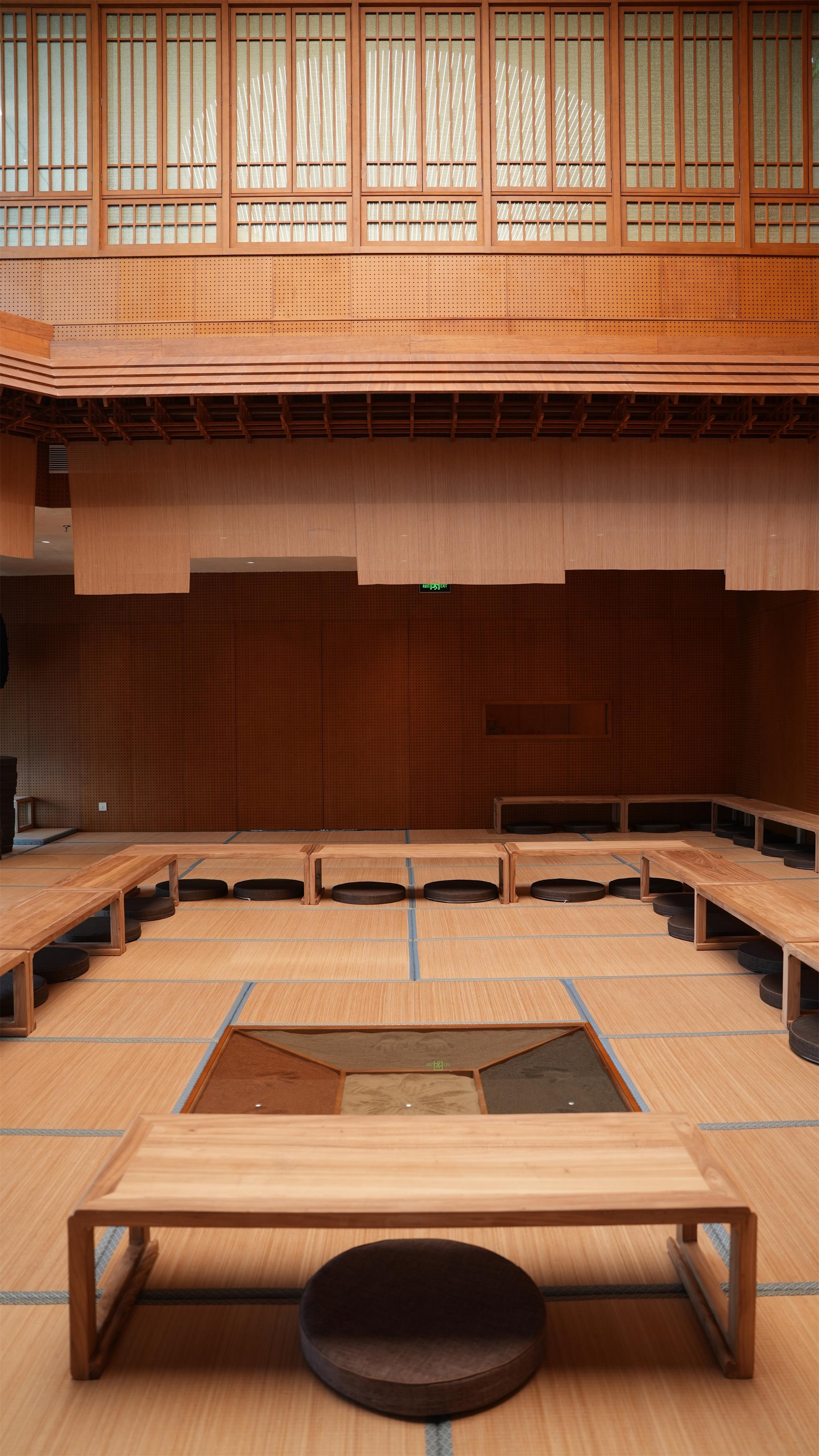
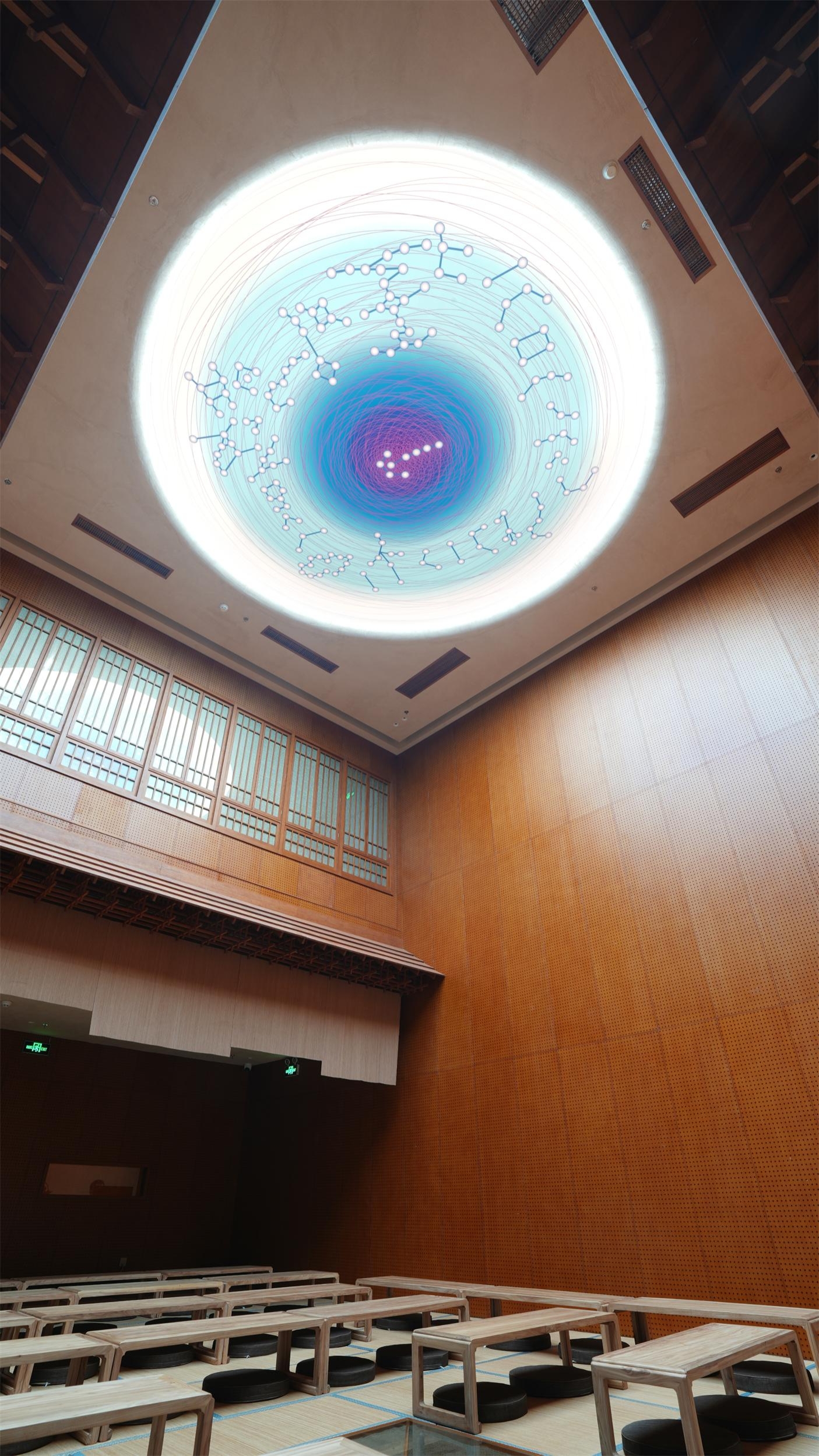
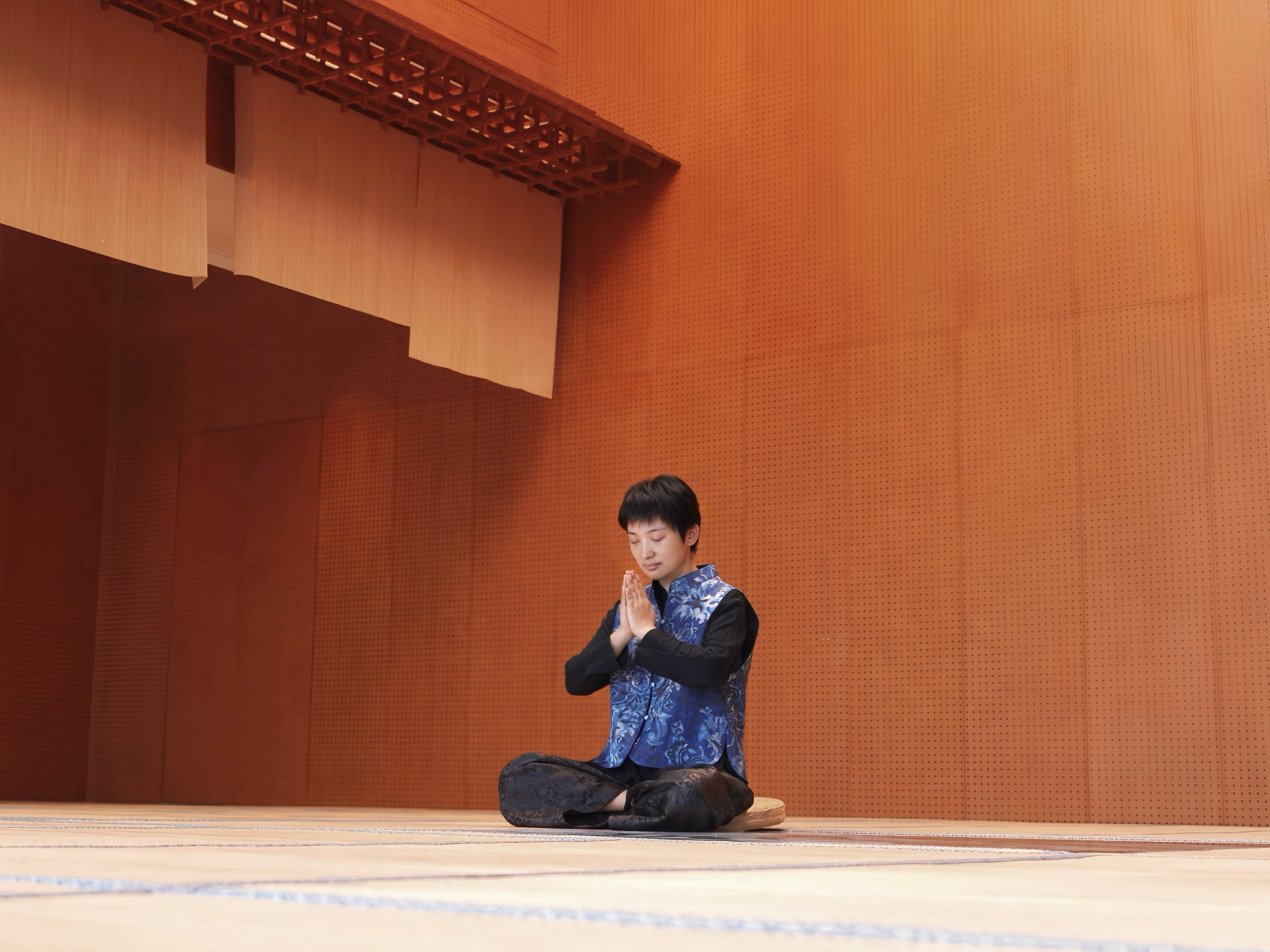
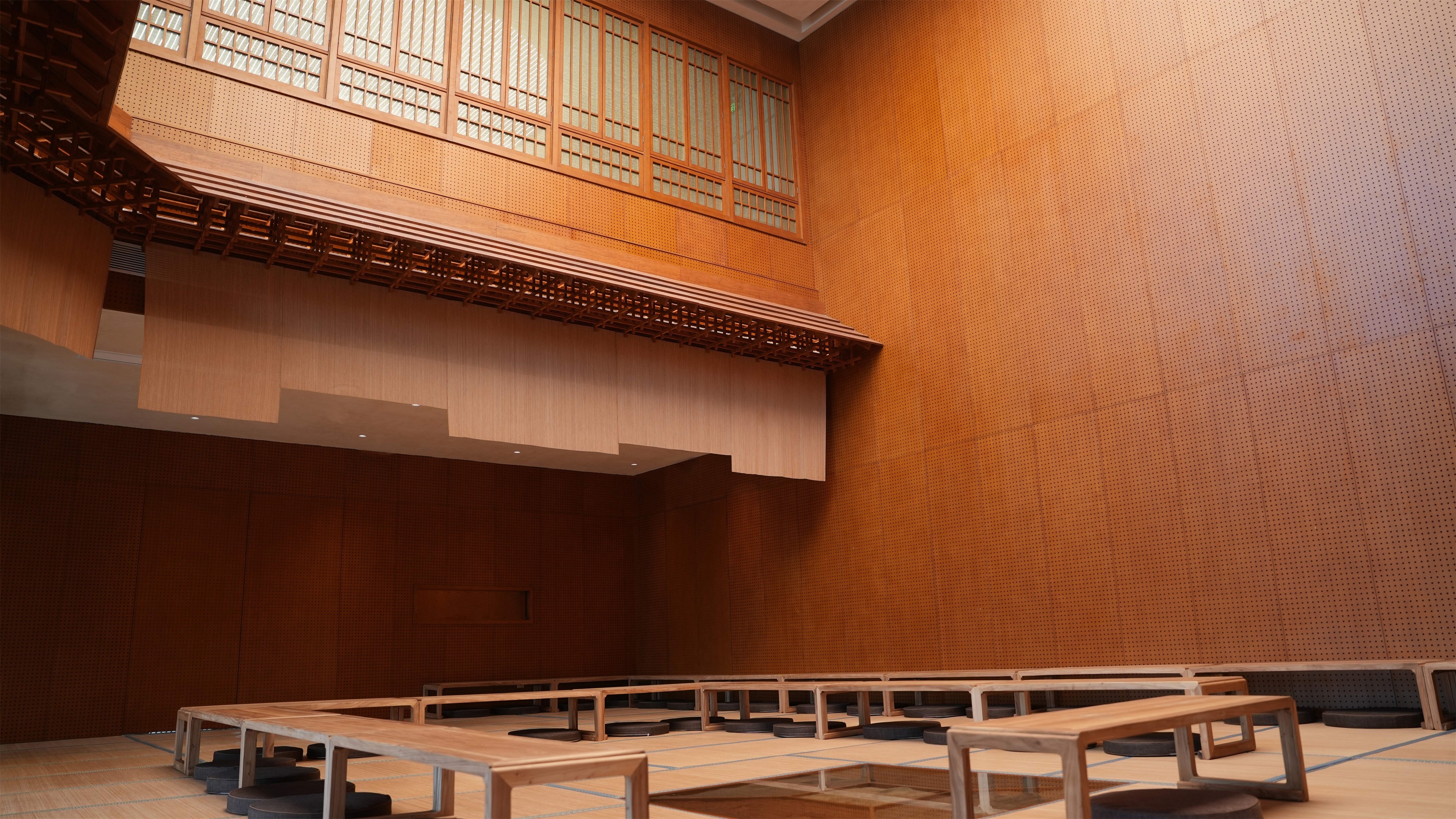
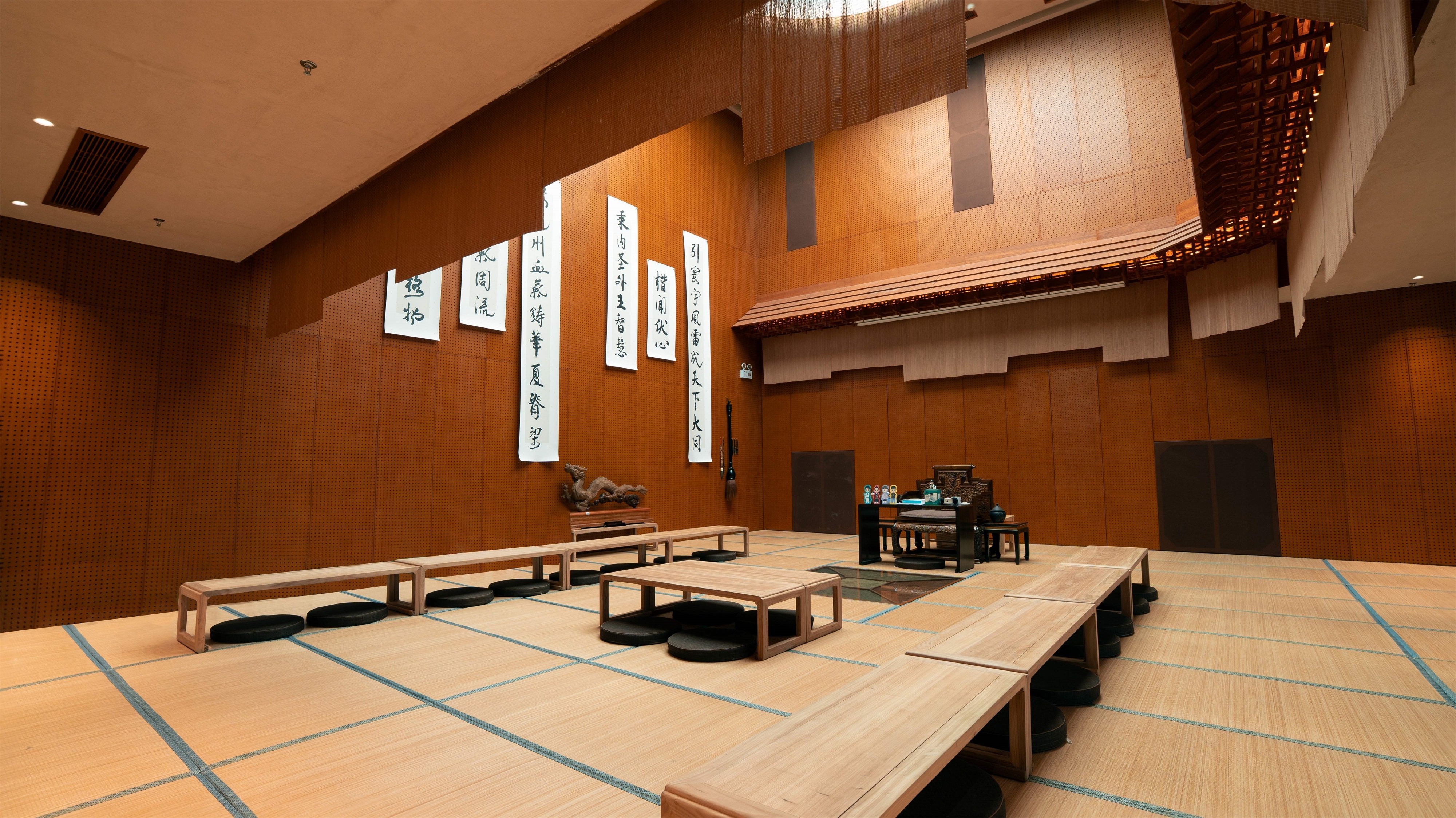
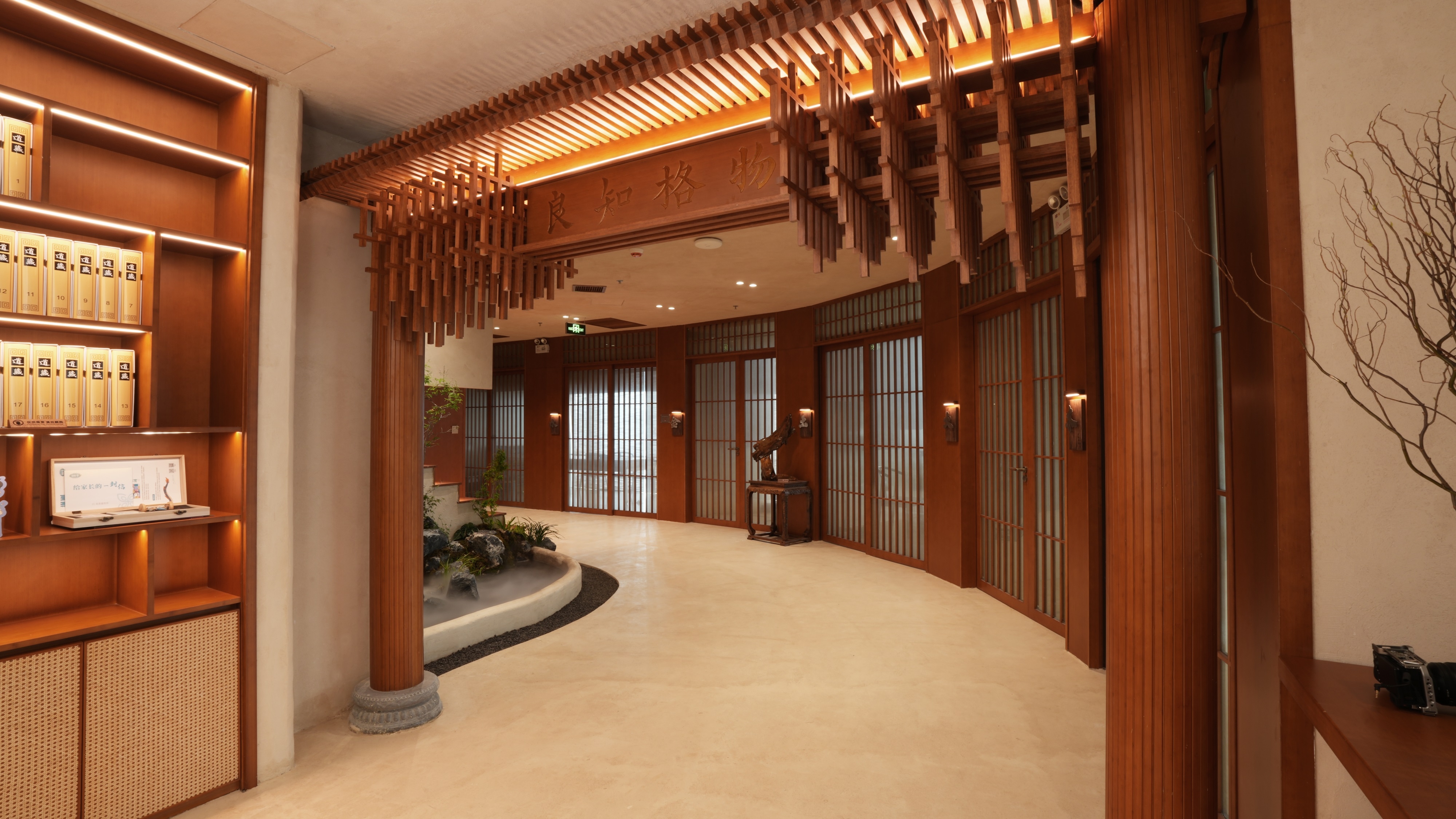
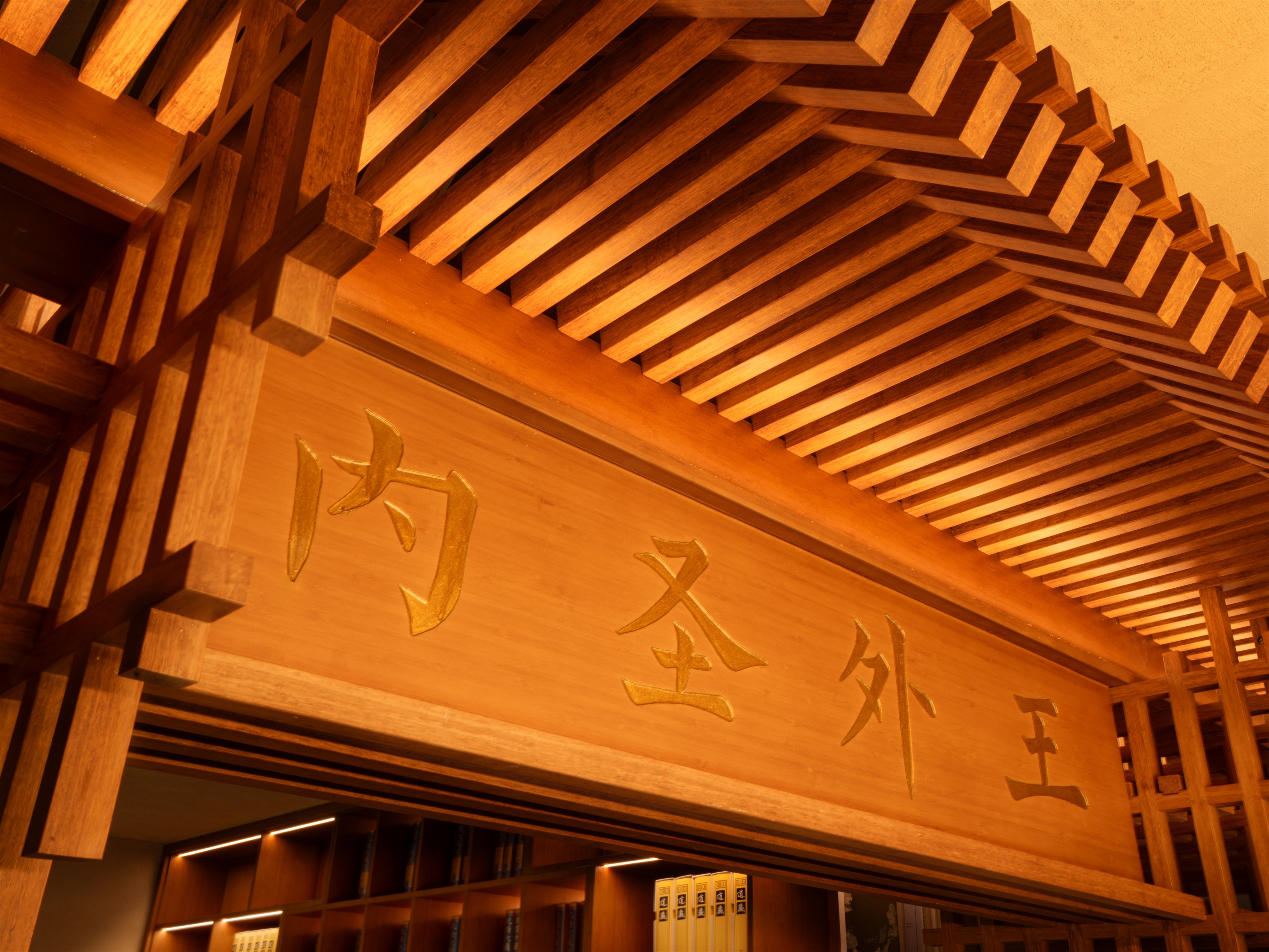
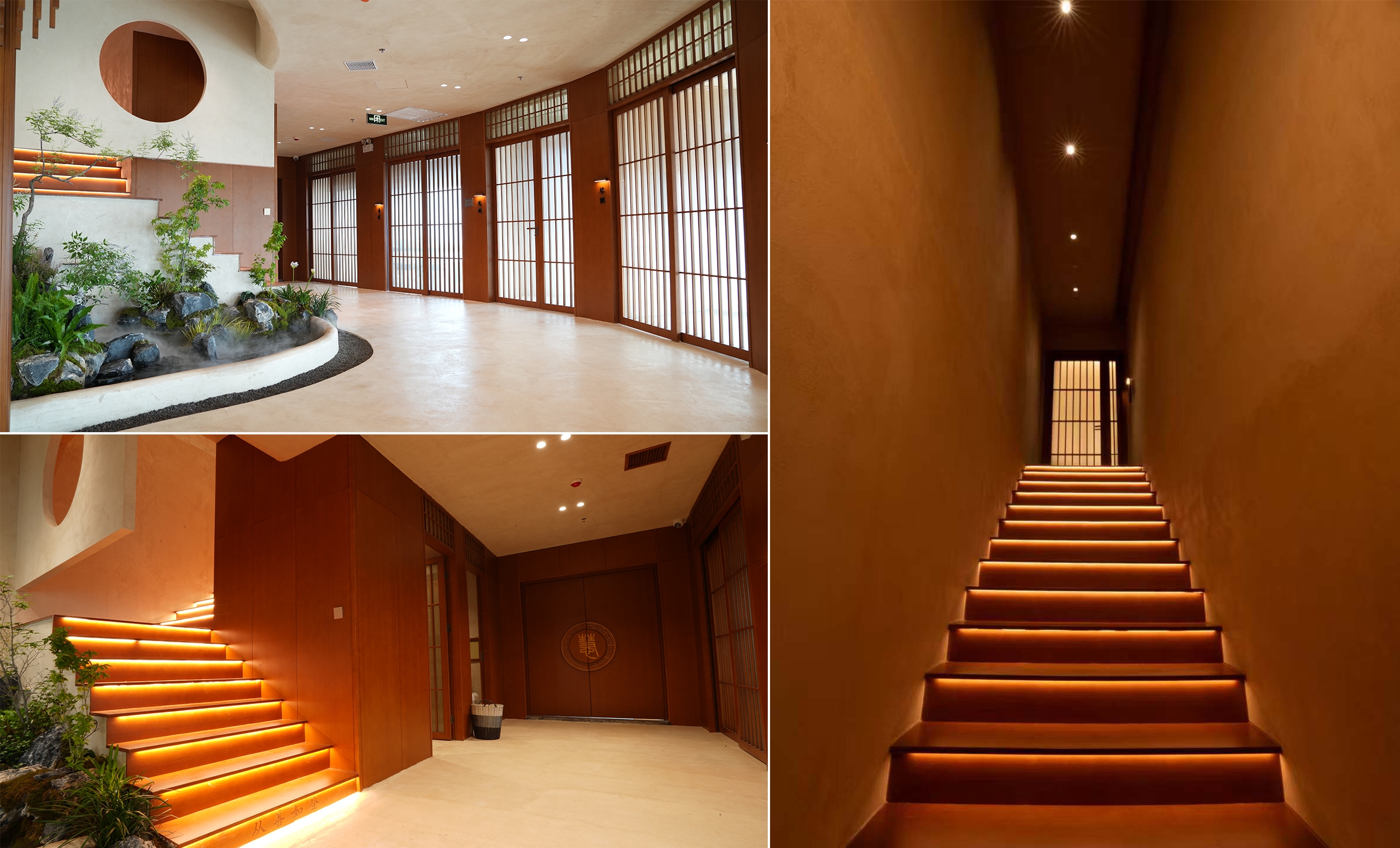
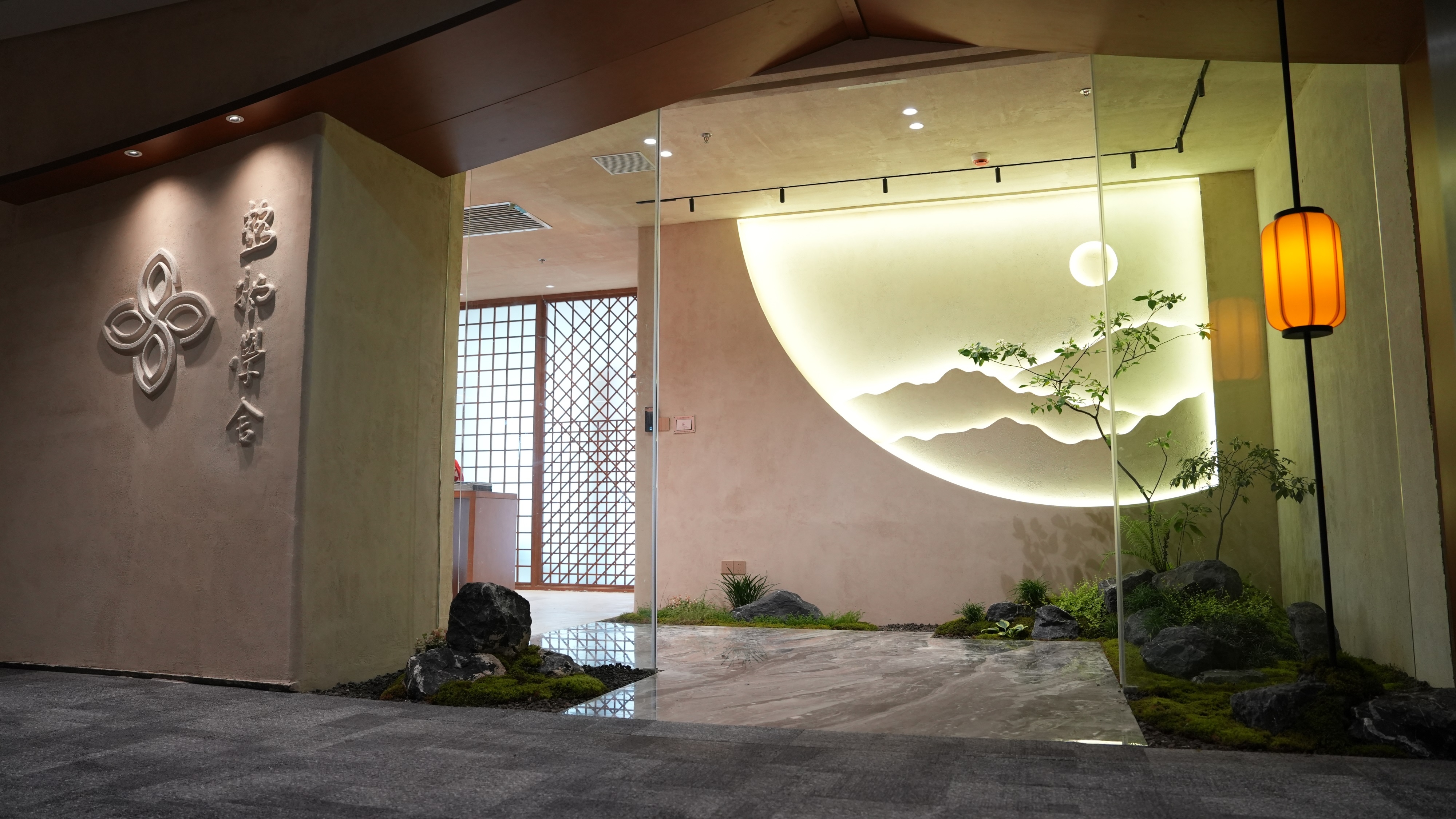

Gewu Study House adopts the spatial layout and construction philosophy of traditional Chinese academies. Utilizing the inherent physical properties and environmental interactions of natural materials such as wood, bamboo, and earth, it establishes a complete microclimate response mechanism, activating the space and integrating it into the environment.
The floors, ceilings, and non-bamboo/wood wall surfaces continue to use traditional glutinous rice lime plaster mixed with natural soil particles. Relying on hydrogen bond characteristics, this treatment enables natural humidity regulation within the indoor range of 40% to 85%.
The interior dojo walls are made of honeycomb solid bamboo. The porous structure eliminates echo, while the micro-cavity heat storage, combined with bamboo's humidity-regulating properties, maintains a constant, comfortable temperature and humidity level.
The second-floor windows use double-layer hollow bamboo construction for sound insulation. Interior partitions are equipped with adjustable ventilated acoustic panels. This resolves the common dilemma of noise intrusion when windows are open and stuffiness when they are closed.